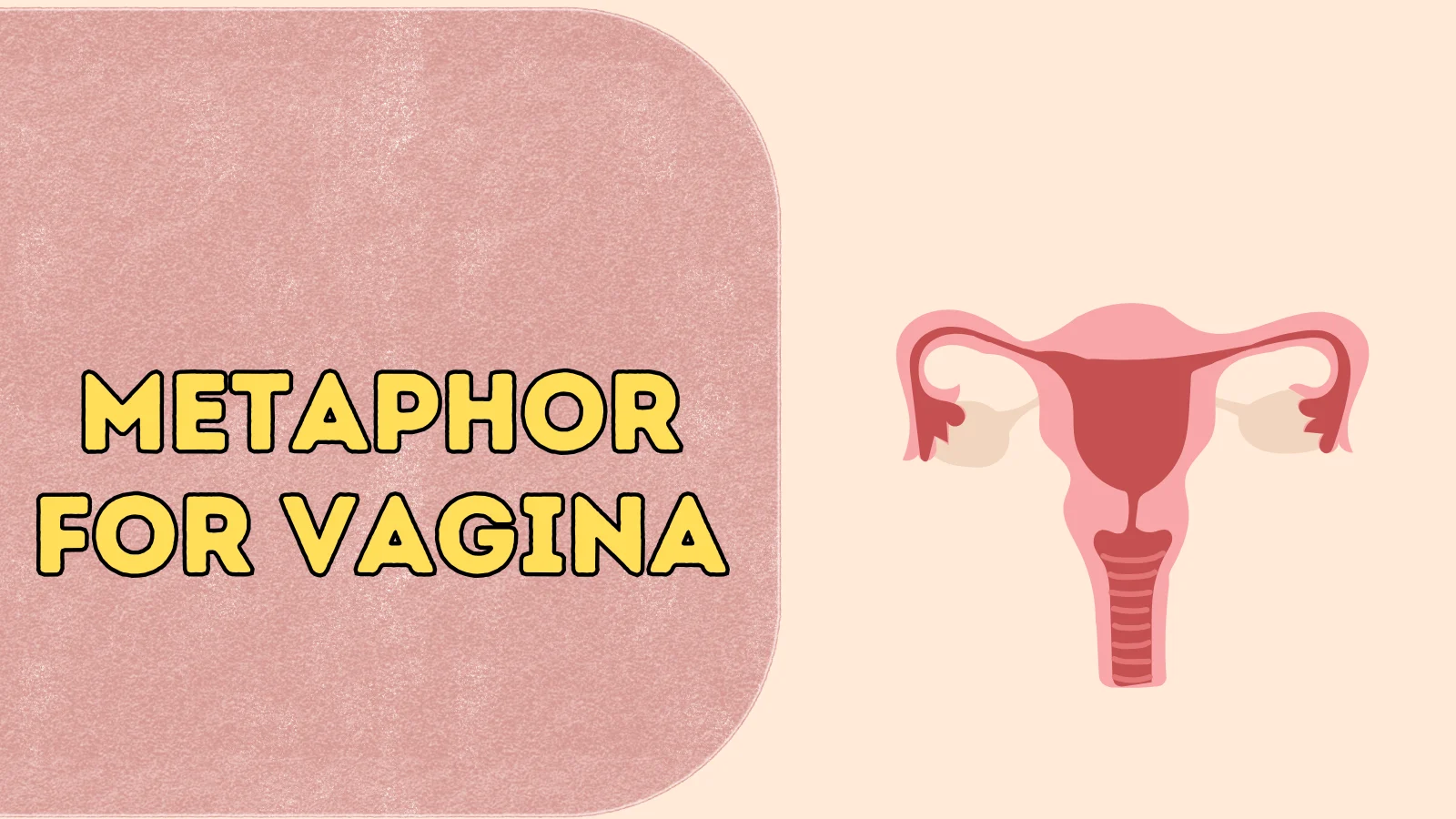
Finding the right metaphor for vagina can help writers discuss anatomy with creativity, sensitivity, or poetic expression without relying on clinical or overly direct language. Whether you’re writing fiction, poetry, educational content, or literary analysis, thoughtful metaphors can convey beauty, strength, mystery, birth, femininity, or intimacy while matching the tone of your work.
In this guide, you’ll learn what makes an effective metaphor, how to choose one for different contexts, and a collection of original metaphors with clear explanations and practical writing advice.
Key Takeaways
- A metaphor describes something by saying it is something else to highlight shared qualities.
- The best metaphor depends on your audience, purpose, and tone.
- Nature, architecture, art, music, and symbolism offer rich inspiration.
- Original metaphors are often more memorable than clichés.
- Context matters—what works in poetry may not fit academic or professional writing.
What Is a Metaphor?
A metaphor is a figure of speech that describes one thing as another to emphasize a shared characteristic. Unlike literal language, metaphors create imagery and emotional depth.
Literal: The vagina is part of the female reproductive system.
Metaphor: She carried a hidden garden.
The metaphor doesn’t describe anatomy literally. Instead, it suggests qualities such as life, beauty, growth, or protection.
Why Writers Use Metaphors
Writers use metaphors to:
- Create vivid imagery.
- Express emotion with subtlety.
- Match the tone of a story or poem.
- Explore themes like life, creation, vulnerability, intimacy, or resilience.
- Avoid repetitive or purely clinical descriptions.
Choosing the Right Metaphor
Select a metaphor based on:
- Audience: Academic, literary, poetic, or general readers.
- Purpose: Symbolism, emotion, education, or storytelling.
- Tone: Respectful, poetic, empowering, or descriptive.
- Context: A metaphor should support the surrounding narrative rather than distract from it.
Nature-Inspired Metaphors
A Hidden Garden
Metaphor: She carried a hidden garden.
Meaning: Represents life, beauty, fertility, and natural growth.
Best Situation: Poetry, literary fiction.
Tone: Poetic, gentle.
A Sacred Spring
Metaphor: She was a sacred spring.
Meaning: Symbolizes life, renewal, and nourishment.
Best Situation: Symbolic writing.
Tone: Reverent.
A Blooming Flower
Metaphor: A blooming flower rested at the center of creation.
Meaning: Suggests beauty, delicacy, and new beginnings.
Best Situation: Romantic or poetic literature.
Tone: Elegant.
Symbolic Metaphors
A Gateway of Life
Metaphor: She was the gateway of life.
Meaning: Highlights childbirth and the beginning of human life.
Best Situation: Inspirational or educational writing.
Tone: Respectful.
A Living Sanctuary
Metaphor: Her body held a living sanctuary.
Meaning: Represents protection, privacy, and significance.
Best Situation: Reflective essays or literary prose.
Tone: Thoughtful.
A Quiet Harbor
Metaphor: A quiet harbor sheltered life’s beginnings.
Meaning: Suggests safety and comfort.
Best Situation: Emotional storytelling.
Tone: Calm.
Artistic Metaphors
A Masterpiece Hidden Behind Velvet Curtains
Metaphor: She carried a masterpiece hidden behind velvet curtains.
Meaning: Emphasizes beauty and value while preserving mystery.
Best Situation: Literary descriptions.
Tone: Artistic.
A Sculptor’s Finest Work
Metaphor: Nature shaped its finest sculpture.
Meaning: Celebrates natural beauty and design.
Best Situation: Creative nonfiction.
Tone: Appreciative.
Empowering Metaphors
A Fortress of Creation
Metaphor: She was a fortress of creation.
Meaning: Represents strength, resilience, and the ability to nurture life.
Best Situation: Women’s health or empowerment writing.
Tone: Strong.
A Crown of Life
Metaphor: She carried the crown of life’s beginning.
Meaning: Highlights dignity and importance.
Best Situation: Inspirational content.
Tone: Respectful.
Literary and Poetic Metaphors
The Moon’s Secret Garden
Metaphor: She guarded the moon’s secret garden.
Meaning: Combines mystery, femininity, and beauty.
Best Situation: Poetry.
Tone: Dreamlike.
A Chamber of Beginnings
Metaphor: Within her rested a chamber of beginnings.
Meaning: Symbolizes creation and possibility.
Best Situation: Literary fiction.
Tone: Reflective.
Metaphor vs. Simile
Metaphor
A metaphor says one thing is another.
Example: She was a hidden garden.
Simile
A simile compares using like or as.
Example: She was like a hidden garden.
Which Should You Use?
- Use metaphors for stronger, more immersive imagery.
- Use similes when you want a gentler or more explicit comparison.
Expert Writing Tips
Match the Tone
Choose imagery that fits your audience and purpose. Symbolic metaphors work well in poetry, while respectful language is best for educational or health-related writing.
Avoid Clichés
Fresh metaphors leave a stronger impression than overused expressions.
Keep Symbolism Consistent
If your writing uses nature imagery, continue with related symbols instead of mixing unrelated ideas.
Respect the Subject
Metaphors should enhance meaning without reducing the subject to an object or stereotype.
Common Mistakes
Mixing Too Many Images
Stick with one symbolic theme instead of combining unrelated metaphors.
Choosing the Wrong Tone
Playful metaphors may feel out of place in educational or serious writing.
Being Overly Abstract
A metaphor should still help readers understand the intended idea.
Frequently Asked Questions
What is a metaphor for vagina?
A metaphor for the vagina is a symbolic comparison that represents qualities such as life, beauty, protection, intimacy, or creation through imagery rather than literal description.
Why do writers use metaphors instead of literal terms?
Metaphors add emotion, symbolism, and vivid imagery while helping the writing match a particular tone or audience.
What are some respectful metaphors?
Examples include hidden garden, gateway of life, quiet harbor, living sanctuary, and sacred spring.
What’s the difference between a metaphor and a simile?
A metaphor states that something is another thing, while a simile compares using like or as.
How do I create an original metaphor?
Focus on one defining quality—such as protection, beauty, or creation—and compare it with an image that naturally shares that quality.
Conclusion
Using a thoughtful metaphor for vagina can make your writing more expressive, respectful, and memorable. Whether you choose imagery inspired by nature, art, symbolism, or empowerment, the strongest metaphors fit the context, support your message, and help readers connect with the ideas behind the words rather than relying on literal description alone.

I Am Alex Gard.I’m passionate about language, creative writing, and figurative expressions. Through SmartMetaphors, I help readers discover meaningful metaphors, similes, and literary devices to make their writing more engaging and impactful.