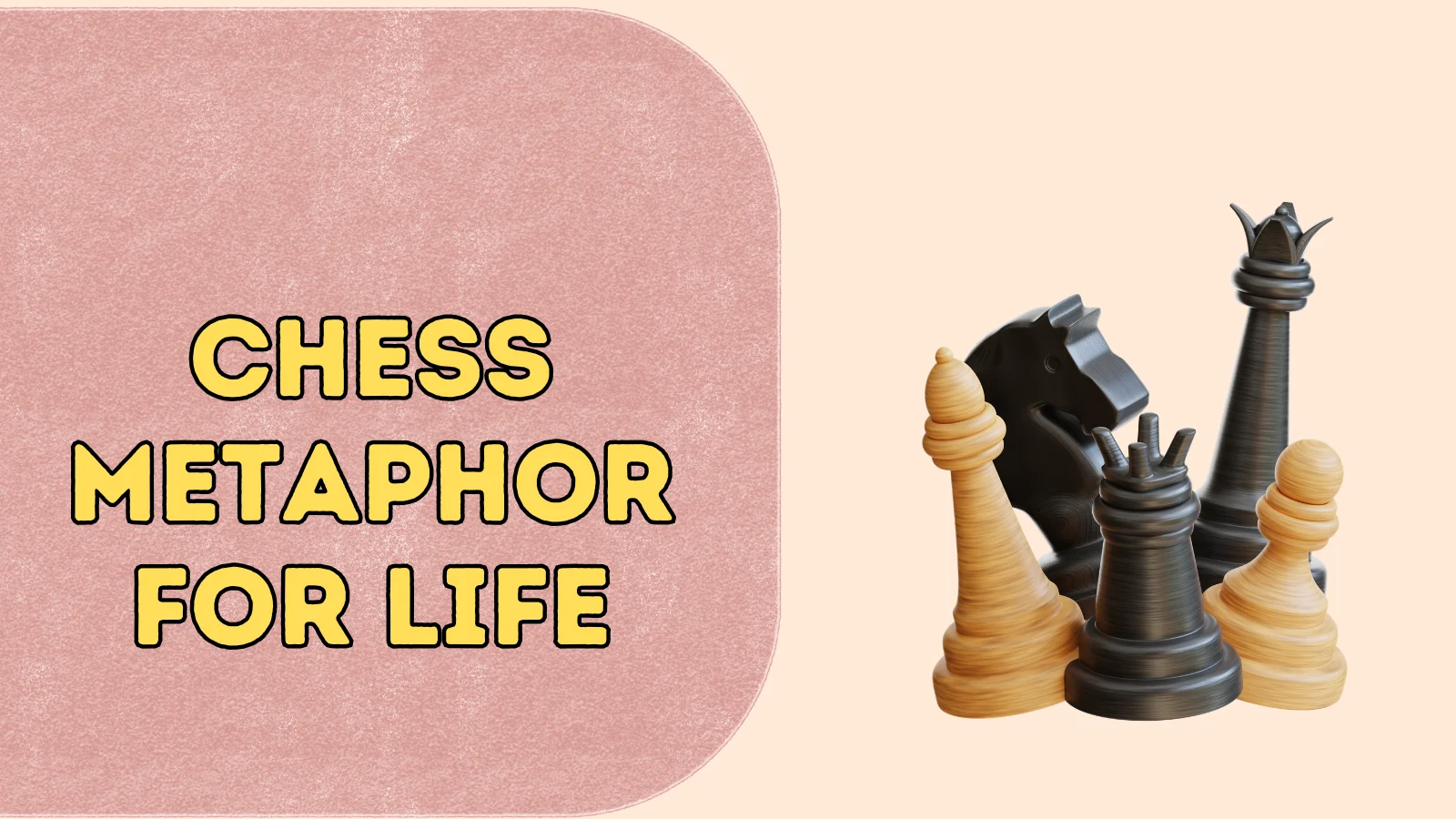
A chess metaphor for life helps explain how our choices, relationships, and challenges shape our journey. Like a game of chess, life rewards patience, strategy, adaptability, and careful decision-making. Every move has consequences, and success often comes from thinking ahead rather than reacting in the moment.
In this guide, you’ll discover creative and original chess metaphors that capture different aspects of life. Whether you’re writing a speech, story, essay, social media post, or looking for inspiration, these metaphors will help you express life’s lessons with clarity and impact.
Key Takeaways
- Chess is a powerful metaphor because it mirrors real-life decision-making.
- Different chess pieces can symbolize people, strengths, or responsibilities.
- Every move in chess can represent a choice that shapes the future.
- The best chess metaphors depend on the message and audience.
- Original metaphors make your writing more memorable and meaningful.
What Is a Metaphor?
A metaphor is a figure of speech that describes one thing as another to highlight a shared quality. Instead of saying something is like something else, a metaphor states that it is that thing.
For example:
Literal: Life requires careful planning.
Metaphor: Life is a chessboard where every move shapes tomorrow.
The second sentence creates a stronger image by turning an abstract idea into something readers can picture.
Why Chess Is a Powerful Metaphor for Life
Chess reflects many of the same situations people face every day. It teaches patience, planning, resilience, sacrifice, and learning from mistakes. Just as a chess player must think beyond the next move, people often benefit from considering the long-term effects of their decisions.
A chess metaphor also reminds us that success rarely comes from one brilliant moment. Instead, it grows from consistent choices, adaptability, and persistence.
How Chess Represents Different Life Lessons
Every part of a chess game can symbolize an aspect of life.
- The board represents life’s opportunities and limitations.
- The pieces symbolize people, talents, and responsibilities.
- Moves reflect decisions and actions.
- Sacrifices represent short-term losses for long-term gains.
- Checkmate symbolizes achieving a goal or reaching a turning point.
- Learning from defeat reflects personal growth and resilience.
Chess Metaphors for Life
Life Is a Chessboard
Metaphor: Life is a chessboard waiting for your next move.
Example: Life is a chessboard waiting for your next move, so choose wisely.
Meaning: Every decision influences future opportunities.
Best Situation: Motivational writing, speeches, essays.
Tone: Inspirational.
Every Choice Is a Chess Move
Metaphor: Every decision is another move across the board.
Example: Every decision is another move across the board, bringing you closer to your goals or teaching you valuable lessons.
Meaning: Choices shape the direction of life.
Best Situation: Personal development.
Tone: Thoughtful.
Patience Is Your Strongest Piece
Metaphor: Patience is the strongest piece on life’s chessboard.
Example: During difficult times, patience became the strongest piece on his chessboard.
Meaning: Careful timing often leads to better outcomes.
Best Situation: Advice, self-improvement.
Tone: Wise.
The Future Is Hidden Behind the Next Move
Metaphor: Tomorrow hides behind today’s move.
Example: Tomorrow hides behind today’s move, even when the path seems uncertain.
Meaning: Present actions determine future results.
Best Situation: Inspirational articles.
Tone: Reflective.
Mistakes Leave Footprints on the Board
Metaphor: Every mistake leaves footprints on the chessboard of life.
Example: Every mistake left footprints on the chessboard of his career, but each one became a lesson.
Meaning: Errors shape future wisdom.
Best Situation: Growth mindset writing.
Tone: Encouraging.
Opportunity Is an Open File
Metaphor: Opportunity is an open file waiting to be explored.
Example: She recognized the new job as an open file leading toward success.
Meaning: Some moments create clear paths for progress.
Best Situation: Career and business writing.
Tone: Professional.
Wisdom Is the Grandmaster
Metaphor: Wisdom is the grandmaster guiding every move.
Example: Wisdom became the grandmaster whenever emotions threatened to take control.
Meaning: Experience helps people make better decisions.
Best Situation: Leadership, education.
Tone: Insightful.
Fear Is an Unseen Opponent
Metaphor: Fear is the invisible opponent across the board.
Example: Fear sat across the board, daring him to surrender before the game truly began.
Meaning: Internal doubts can be the greatest challenge.
Best Situation: Motivational content.
Tone: Dramatic.
Character Is the King
Metaphor: Character is the king you must always protect.
Example: Wealth came and went, but character remained the king worth defending.
Meaning: Integrity is life’s greatest asset.
Best Situation: Moral lessons.
Tone: Inspirational.
Time Is the Chess Clock
Metaphor: Time is the chess clock that never pauses.
Example: Time is the chess clock reminding us that every moment matters.
Meaning: Time is limited and should be used wisely.
Best Situation: Productivity, motivation.
Tone: Reflective.
Courage Is the Queen
Metaphor: Courage is the queen that changes the game.
Example: Courage became the queen that turned defeat into victory.
Meaning: Bold action creates opportunities.
Best Situation: Leadership, personal growth.
Tone: Empowering.
Experience Is a Well-Played Opening
Metaphor: Experience is an opening that prepares you for the middle game.
Example: Years of hard work became the opening that supported every future success.
Meaning: Early lessons build future confidence.
Best Situation: Career advice.
Tone: Educational.
Dreams Are Pieces Waiting to Move
Metaphor: Dreams are pieces waiting for the right move.
Example: His dreams sat patiently, waiting for courage to move them forward.
Meaning: Goals require action to become reality.
Best Situation: Motivational writing.
Tone: Hopeful.
Resilience Is the Comeback Strategy
Metaphor: Resilience is the strategy that keeps the game alive.
Example: Even after setbacks, resilience kept the game alive.
Meaning: Recovery is often more important than perfection.
Best Situation: Overcoming challenges.
Tone: Encouraging.
Success Is Earned One Move at a Time
Metaphor: Success is built one move at a time.
Example: She didn’t rush success because she knew it was built one move at a time.
Meaning: Consistent effort leads to lasting achievement.
Best Situation: Self-improvement, business.
Tone: Motivational.
Chess Metaphor vs. Simile
What Is a Metaphor?
A metaphor directly states that one thing is another to create a vivid comparison.
Example: Life is a chessboard.
What Is a Simile?
A simile compares two things using words such as like or as.
Example: Life is like a game of chess.
Key Difference
A metaphor creates a stronger, more direct image, while a simile makes a gentler comparison. Metaphors often have a greater emotional and literary impact.
How to Choose the Right Chess Metaphor
Match Your Audience
Simple metaphors work well for students and general readers, while more layered metaphors suit speeches, novels, and reflective essays.
Consider the Context
A motivational article may focus on courage and perseverance, while a business presentation might emphasize planning, strategy, and calculated risk.
Keep the Tone Consistent
Choose hopeful metaphors for inspirational content, reflective metaphors for personal stories, and strategic metaphors for leadership or professional writing.
Expert Writing Tips
Focus on One Central Idea
Avoid forcing every chess term into a single paragraph. Let each metaphor highlight one lesson clearly.
Make the Metaphor Fit the Situation
Choose imagery that supports your message naturally. A metaphor about sacrifice fits a story of perseverance better than one about speed.
Avoid Overused Expressions
Instead of relying on familiar phrases, create fresh comparisons that reflect your unique perspective.
Balance Creativity with Clarity
A memorable metaphor should spark the imagination without confusing the reader.
Common Mistakes to Avoid
Mixing Too Many Chess Images
Using several unrelated chess concepts at once can distract readers. Build around one clear metaphor before introducing another.
Choosing the Wrong Tone
A playful chess metaphor may not suit a serious topic like loss or hardship. Match the imagery to the emotional weight of your message.
Explaining the Metaphor Too Much
Trust readers to understand the comparison. A concise explanation is often more effective than overanalyzing the image.
Forgetting the Human Story
The metaphor should support your message, not replace it. Connect the chess imagery to real experiences and emotions.
Frequently Asked Questions
What is a chess metaphor for life?
A chess metaphor for life compares life’s choices, challenges, and relationships to a game of chess, emphasizing strategy, patience, and thoughtful decision-making.
Why is chess often used as a metaphor?
Chess represents planning, consequences, sacrifice, and resilience, making it an effective way to explain personal growth and life’s challenges.
How can I use a chess metaphor in writing?
Use chess imagery to illustrate decisions, goals, leadership, relationships, or overcoming obstacles. Choose a metaphor that matches the tone and purpose of your writing.
What is the difference between a chess metaphor and a chess simile?
A metaphor says life is a chessboard, while a simile says life is like a chessboard. Metaphors create a stronger and more vivid comparison.
Can chess metaphors be used in professional writing?
Yes. Chess metaphors work well in leadership, business, education, and motivational writing because they communicate strategy, planning, and long-term thinking in a relatable way.
Conclusion
A well-crafted chess metaphor for life transforms familiar experiences into memorable insights. Whether you’re describing personal growth, difficult decisions, leadership, or resilience, chess offers rich imagery that resonates with readers. By choosing metaphors that fit your audience and context, you can make your writing more engaging, meaningful, and impactful while encouraging others to see life’s journey as a series of thoughtful moves rather than random chance.

I Am Alex Gard.I’m passionate about language, creative writing, and figurative expressions. Through SmartMetaphors, I help readers discover meaningful metaphors, similes, and literary devices to make their writing more engaging and impactful.